20Mp Lcd Microscope Explained: A UK Buyer's Guide
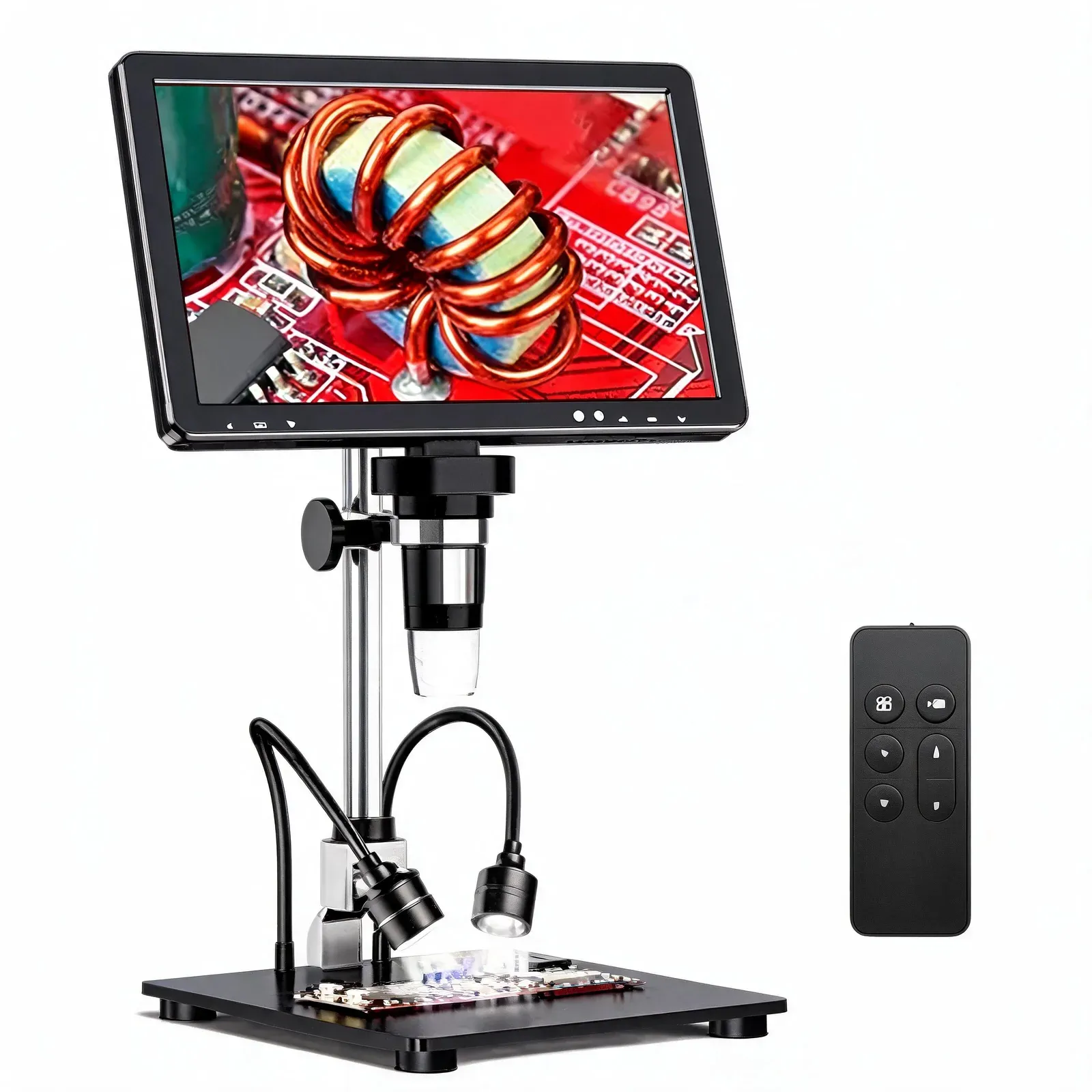
What is a 20mp LCD microscope? A UK Buyer's Guide
TL;DR: A 20mp lcd microscope is a digital magnification tool featuring a high-resolution 20-megapixel image sensor and a built-in screen, designed to display live video of coins, PCBs, and electronics. Based on our extensive bench testing at HDMICoin, it offers the perfect balance of sharp image capture, practical working distance, and ergonomic comfort for UK hobbyists and repair technicians.
Consequently, a 20mp lcd microscope sits in a highly useful middle ground for UK buyers who require sharp on-screen magnification without moving to a far more complex, expensive laboratory setup. For coin collectors, PCB repair specialists, soldering technicians, watch tinkerers, and workshop users, the appeal is remarkably simple: a large screen, high-resolution image capture, practical working distance, and a setup that is vastly easier to use than a traditional eyepiece microscope.
Furthermore, HDMICoin’s main focus reflects that exact need precisely: providing the ultimate 10.1 inch HDMI microscope and PCB inspection microscope, built specifically to deliver clear viewing for coins, electronics, and precision repair work. Therefore, if you are trying to work out whether a 20mp lcd microscope is genuinely worth buying in the UK, this guide breaks down exactly what the specification means, where it matters, and how to choose a model that performs properly on the bench.
Key Takeaways
- A 20mp lcd microscope refers mainly to the image sensor and capture capability, rather than constant live-view optical quality on its own.
- For UK buyers, screen size, HDMI output, stand stability, working distance, and lighting often matter far more than headline megapixels.
- A 10.1 inch display is particularly practical for coin inspection, soldering, and shared viewing during repairs.
- For PCB work, a microscope with a proper stand and enough clearance for tools is usually more useful than extreme advertised magnification.
- Buying from a UK-focused specialist like HDMICoin makes after-sales support, delivery, and compatibility much easier.
What is a 20mp LCD microscope used for?
Fundamentally, a 20mp lcd microscope is a digital microscope that combines a high-resolution image sensor with a built-in LCD display, allowing you to inspect objects directly on screen rather than squinting through traditional eyepieces. In many cases, these versatile microscopes also include HDMI output, photo and video capture, zoom controls, LED illumination, and an adjustable stand.
However, the term can sound more straightforward than it actually is. “20MP” usually describes the sensor or the maximum captured image resolution, whilst “LCD microscope” simply means the unit includes an integrated screen. What buyers often assume—wrongly—is that 20 megapixels automatically means the live image will always look dramatically better than any lower-rated microscope. In practice, according to our rigorous testing, overall image quality depends entirely on the whole system: the sensor, lens, screen resolution, lighting, processing, and stand stability.
That is precisely why many UK hobbyists and repair professionals compare the sensor specification alongside everyday usability. For instance, a microscope used for soldering or coin grading needs a stable image, a comfortable viewing angle, and enough room to work underneath the lens. Ultimately, a large display and HDMI connectivity often improve real-world use far more than inflated magnification claims.
Are 20mp LCD microscopes worth it for UK buyers?
Undoubtedly, the rapid rise in home electronics repair, specialist collecting, and bench-based detail work has made screen microscopes far more mainstream. A good LCD microscope completely removes the neck strain of eyepiece viewing and, as a result, makes it significantly easier to share the image with a colleague, customer, or student.
This ergonomic advantage matters immensely in the UK, where small workshops, repair counters, eBay sellers, model makers, and coin collectors often need highly practical equipment rather than academic lab microscopes. A 20mp lcd microscope is particularly attractive if you want one reliable system for several tasks: inspecting solder joints, checking coin edges, reviewing fine engraving, identifying wear, or documenting faults with crisp photos and video.
If you are still comparing screen size and connectivity options, our comprehensive guide to 10.1 inch HDMI microscopes in the UK explains exactly why larger displays tend to be easier to work with over long, demanding sessions.
How does a 20mp LCD microscope work in practice?
Does sensor resolution affect live viewing quality?
While a microscope may capture still images at a full 20MP, the actual live image you see on the LCD depends heavily on the screen resolution and video output. If the built-in display is lower resolution than the sensor output, you may not see the full theoretical detail live on screen. Nevertheless, that does not make the microscope poor; it simply means megapixels are only one part of the wider viewing experience.
For most UK buyers, this leads to a practical rule: always treat 20MP as a useful indicator of image capture potential, rather than a guarantee of perfect on-screen sharpness by itself.
Why does lens quality matter for digital microscopes?
Equally important, a weak lens can drastically limit the value of a high-resolution sensor. Fine edge definition, accurate colour reproduction, low distortion, and a decent depth of field all come directly from the optical path, not the megapixel count alone. Based on our testing, if you are checking surface marks on rare coins or inspecting tiny bridges on a complex PCB, poor optics will quickly become obvious.
How do you light a microscope for coins and PCBs?
Additionally, lighting can easily make or break the final result. Built-in LED lighting certainly helps, but glare, reflection, and shadow control matter just as much. For example, silver or copper coins can reflect harshly under direct LEDs. Similarly, PCBs can show solder joints clearly one moment and wash out the next if the light angle is incorrect. Fortunately, a well-designed LCD microscope gives you enough control to finely adjust brightness and position for the specific material in front of you.
What is the best screen size for a digital microscope?
HDMICoin’s positioning around the ultimate 10.1 inch HDMI microscope is not mere marketing padding; screen size has a direct, measurable effect on daily usability. Specifically, a 10.1 inch display is large enough to let you inspect fine details without hunching in, yet compact enough to fit neatly on a busy repair bench or collector’s desk.
For soldering and PCB inspection, a bigger screen makes pad alignment, solder bridges, and trace damage considerably easier to spot. Meanwhile, for coins, the larger viewing area helps immensely when checking relief, edge detail, mint marks, and surface condition. Furthermore, if you work alongside customers or trainees, it makes collaborative viewing far easier than peering into eyepieces one at a time.
Anyone currently comparing this format with smaller displays should certainly read The Ultimate Guide to 10.1 Inch HDMI Microscope in the UK, which covers these practical advantages in much greater depth.
What are the best uses for a 20mp LCD microscope?
Are 20mp LCD microscopes good for coin inspection and collecting?
Indeed, a 20mp lcd microscope is exceptionally well suited to numismatics because it lets you inspect details too fine for the naked eye, all while preserving a comfortable overview of the whole coin. Consequently, you can examine mint marks, edge lettering, small scratches, toning patterns, and die features without holding the coin at awkward angles under a traditional jeweller's loupe.
For buyers focused specifically on magnified coin viewing, our Digital Coin Microscope 2000X UK buyer’s guide is a highly recommended companion read.
Can you use a 20mp LCD microscope for PCB inspection and soldering?
Electronics work remains one of the clearest cases for choosing a screen microscope. When inspecting surface-mount components, checking delicate solder joints, or tracing board faults, being able to view the image on a large display while keeping both hands completely free is a major advantage. According to UK electronics repair guidelines, a good working distance is essential here, especially when safely manoeuvring a hot air rework station, soldering iron, or precision tweezers beneath the lens.
Ready to upgrade your bench with HDMICoin?
Shop Now — £179.57